
Introduction
The mid-19th century marked a period of intense archaeological activity in India, driven by the interests of British colonial officers and scholars. Among the most notable figures were Alexander Cunningham and Frederick Charles Maisey. Their work, while significant in documenting India's rich cultural heritage, was marred by practices that today would be considered unethical and exploitative. This article delves into how Cunningham and Maisey acquired, transported, and profited from Indian archaeological artifacts, and the subsequent controversy surrounding a supposed shipwreck that necessitates further investigation.
The Division of Spoils
Alexander Cunningham and Frederick Charles Maisey conducted extensive excavations at Sanchi, one of the most important Buddhist sites in India. They divided the relics based on personal preferences: Cunningham, with a keen interest in inscriptions and archaeological details, and Maisey, who favored items of artistic value. This division underscored their differing approaches and motivations.
Transporting the Relics
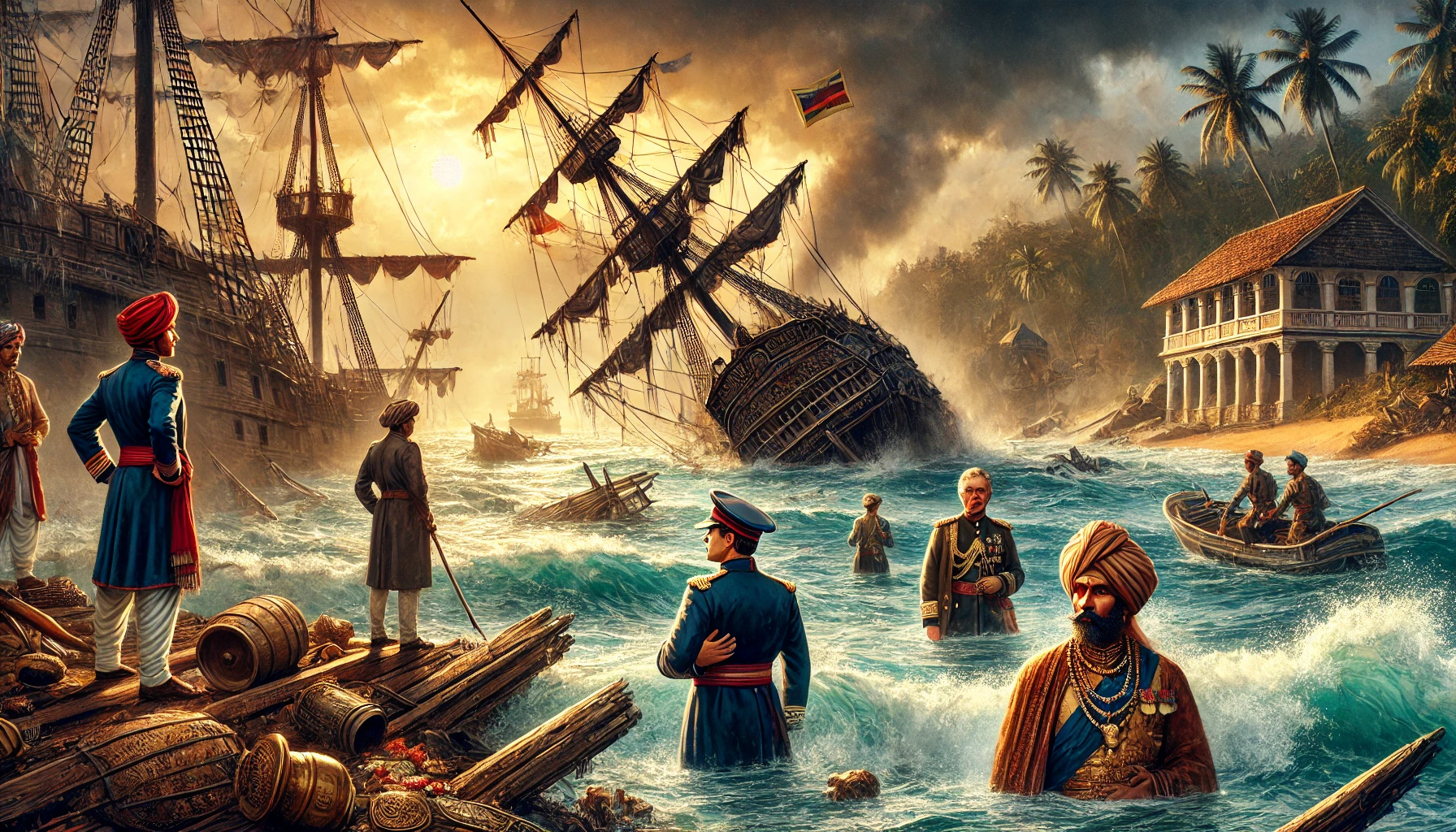
Once acquired, Cunningham and Maisey arranged for the transport of these relics to England. Cunningham's shipment faced a significant setback when one of the ships reportedly sank near Jaffna, in present-day Sri Lanka. This incident, often cited in historical records, suggests a substantial loss of archaeological treasures. Maisey, on the other hand, made separate arrangements to ensure his collection reached England safely.
The Controversy of the Shipwreck
The shipwreck near Jaffna has been a topic of intrigue and skepticism. Historical accounts indicate that a portion of Cunningham's collection was lost at sea. However, the lack of detailed records and physical evidence has led to speculation about the true fate of these relics. Some historians and marine archaeologists argue that the shipwreck narrative could have been a cover-up for the illegal sale or laundering of artifacts.
The Call for Marine Excavation
To debunk the shipwreck theory, there is a pressing need for marine excavation at the supposed site near Jaffna. Advances in underwater archaeology could help locate the shipwreck and potentially recover artifacts, providing concrete evidence to support or refute the historical account. Such an excavation would not only clarify the fate of Cunningham's collection but also shed light on the broader practices of artifact transportation and acquisition during the colonial period.
The Profit from Cultural Heritage
Both Cunningham and Maisey profited significantly from their acquisitions. The artifacts they transported to England became valuable additions to museum collections, including the British Museum and the Victoria and Albert Museum. These institutions benefited from the cultural and monetary value of the artifacts, while India was left bereft of its heritage.
Ethical Considerations and Repatriation
Today, the actions of Cunningham and Maisey are viewed through a critical lens. The acquisition and removal of artifacts from their countries of origin raise important ethical questions. There is a growing movement advocating for the repatriation of cultural artifacts to their rightful places. The case of Cunningham and Maisey highlights the need for museums worldwide to engage in transparent dialogues about the provenance of their collections and the potential for returning artifacts to their countries of origin.